

Great cinematography does more than record a place. It interprets atmosphere, scale, movement, and emotion until a location feels almost inseparable from the story being told. In Jackson Hole, that challenge becomes especially demanding. The terrain is dramatic, the weather changes quickly, and the visual vocabulary of the region can easily slip into postcard imagery if handled without restraint. The most compelling work finds something deeper: a rhythm between human presence and open country, between precision and unpredictability, between spectacle and intimacy. That balance is what gives Jackson Hole Cinematographer its strongest cinematic identity.
The Landscape Is Never Just a Backdrop
Jackson Hole is often described in terms of grandeur, and for obvious reasons. Mountain lines, wide valleys, rivers, forests, snow, and changing skies offer instant visual power. But in cinematography, beauty alone is not enough. A frame becomes meaningful only when the landscape is used with intention. The best cinematographers do not simply point a camera toward the Tetons and let the scenery carry the sequence. They decide what the landscape is doing within the scene: isolating a subject, emphasizing movement, introducing tension, or creating calm.
That distinction matters because a cinematic image depends on perspective. A wide shot can communicate freedom or vulnerability depending on where the subject is placed. A compressed lens can make peaks feel imposing and close, while a wider lens can exaggerate openness and distance. In Jackson Hole, visual choices carry emotional weight quickly, because the environment is already so expressive. Strong work uses that expressiveness carefully rather than excessively.
| Cinematography element | Why it matters in Jackson Hole | Creative effect |
|---|---|---|
| Lens choice | Changes how mountains and distance are perceived | Controls intimacy, scale, and tension |
| Camera height | Shapes the relationship between subject and terrain | Can make a scene feel grounded or monumental |
| Depth of field | Balances environmental detail with subject focus | Directs attention without losing atmosphere |
| Shot duration | Determines whether the landscape feels contemplative or urgent | Sets emotional rhythm |
In other words, cinematography in Jackson Hole is less about capturing a beautiful place than translating a powerful one. The camera has to interpret the land, not merely admire it.
Light, Weather, and the Patience of Timing
If landscape defines the canvas, light defines the mood. Jackson Hole offers some of the most rewarding natural light a cinematographer can work with, but it rarely arrives on demand. Morning light can feel crisp, high-country, and clarifying. Evening light often introduces softness and dimension, especially when it grazes ridgelines, dust, trees, or moving water. Winter reflects light in ways that can feel clean and severe; summer can feel warmer, gentler, and more layered. Every season changes not just the color of a frame, but its emotional register.
Weather also plays an outsized role. Passing cloud cover can flatten a sequence or suddenly give it depth. Wind affects not just audio and logistics, but the behavior of grass, jackets, hair, trees, and water, all of which change the feel of motion inside the frame. Snowfall can simplify a visual field into something almost graphic. Fog can create separation and mystery. In less experienced hands, these conditions become problems to fight. In stronger hands, they become part of the storytelling language.
- Early and late hours often produce the most dimensional images, especially in mountainous terrain.
- Overcast conditions can be ideal for portraits, skin tones, and controlled contrast.
- Fast-changing weather rewards crews that can adapt quickly without losing consistency.
- Seasonal shifts affect wardrobe, movement, color palette, and lensing choices.
Patience is therefore not a romantic extra; it is part of the craft. The cinematographer must know when to wait, when to move, and when to revise the plan because the environment has offered a better image than the one originally imagined.
Movement, Framing, and Human Scale
One of the most interesting challenges in Jackson Hole videography is preserving human presence inside a landscape that can easily overpower it. Movement becomes critical here. A locked-off shot can emphasize stillness and insignificance in a useful way, but too much static grandeur can create emotional distance. On the other hand, constant movement can turn a location-driven sequence into something restless and generic. Cinematic work usually finds a measured middle ground.
When movement is used well, it gives the viewer a felt sense of place. A slow lateral move across sagebrush can reveal depth before unveiling mountains beyond. A controlled push-in can make a broad exterior feel personal. Following a subject through terrain, rather than simply observing them from afar, helps the audience experience the physical character of the place. The frame begins to breathe with the environment.
- Establish the geography. Give the audience a sense of where the subject exists within the larger environment.
- Narrow the focus. Move from scenic context toward gesture, expression, or action.
- Use movement with purpose. Let camera motion reveal information, not merely decorate the shot.
- Return to scale selectively. Wider frames have more impact when they punctuate a sequence rather than dominate all of it.
This is where experienced cinematographers often distinguish themselves. They understand that visual elegance is not just about spectacle. It is about orchestration: knowing how to move between epic scale and tactile detail without breaking emotional continuity.
The Discipline Behind the Image
Cinematic beauty tends to hide the labor that makes it possible. Yet some of the strongest work in Jackson Hole comes from rigorous preparation: location scouting, weather awareness, permitting when necessary, gear choices suited to uneven terrain, transportation planning, and a clear understanding of how to protect both schedule and creative intent when conditions change. In a place this visually dynamic, production discipline does not limit artistry. It protects it.
That combination of aesthetic sensitivity and practical control is part of what makes accomplished local crews especially valuable. Brim Productions, led by Ryan Brim, brings the perspective of a Jackson Hole cinematographer who understands how the region’s beauty intersects with real production demands. For readers interested in how that craft translates into commissioned visual storytelling, Jackson Hole videography is best judged through work that respects both the landscape and the process required to film it well.
A thoughtful production approach in Jackson Hole usually includes:
- Scouting for orientation and access, not just visual appeal
- Planning around light windows, especially in mountain-shadow conditions
- Building flexible shot lists, so weather changes do not derail the day
- Selecting gear intentionally, balancing image goals with mobility
- Respecting the environment, including seasonal and location-specific limitations
What looks effortless on screen is often the result of many small, invisible decisions made correctly. In a place like Jackson Hole, that invisible competence is part of the art form.
What Sets Jackson Hole Videography Apart
The most memorable Jackson Hole videography does not rely on scenery alone, even though the scenery is extraordinary. It stands apart because it understands how place shapes narrative. The environment affects pacing, framing, wardrobe, sound, and the emotional temperature of every scene. Strong cinematography recognizes that the land is active, not passive. It responds to it with restraint, technical confidence, and a clear editorial point of view.
That is why the best work from this region often feels immersive rather than merely attractive. You can sense the altitude in the light, the weather in the movement, the terrain in the blocking, and the scale in the rhythm of the edit. The images do not just say, “This is beautiful.” They say, “This happened here, and it could not have looked or felt the same anywhere else.”
Ultimately, the art of cinematography in Jackson Hole lies in turning a famously striking landscape into something more than a visual advantage. It requires judgment, patience, and a strong sense of story. When those elements come together, Jackson Hole videography becomes more than documentation. It becomes cinema with a sense of place that lingers long after the final frame.
——————-
Check out more on Jackson Hole Cinematographer contact us anytime: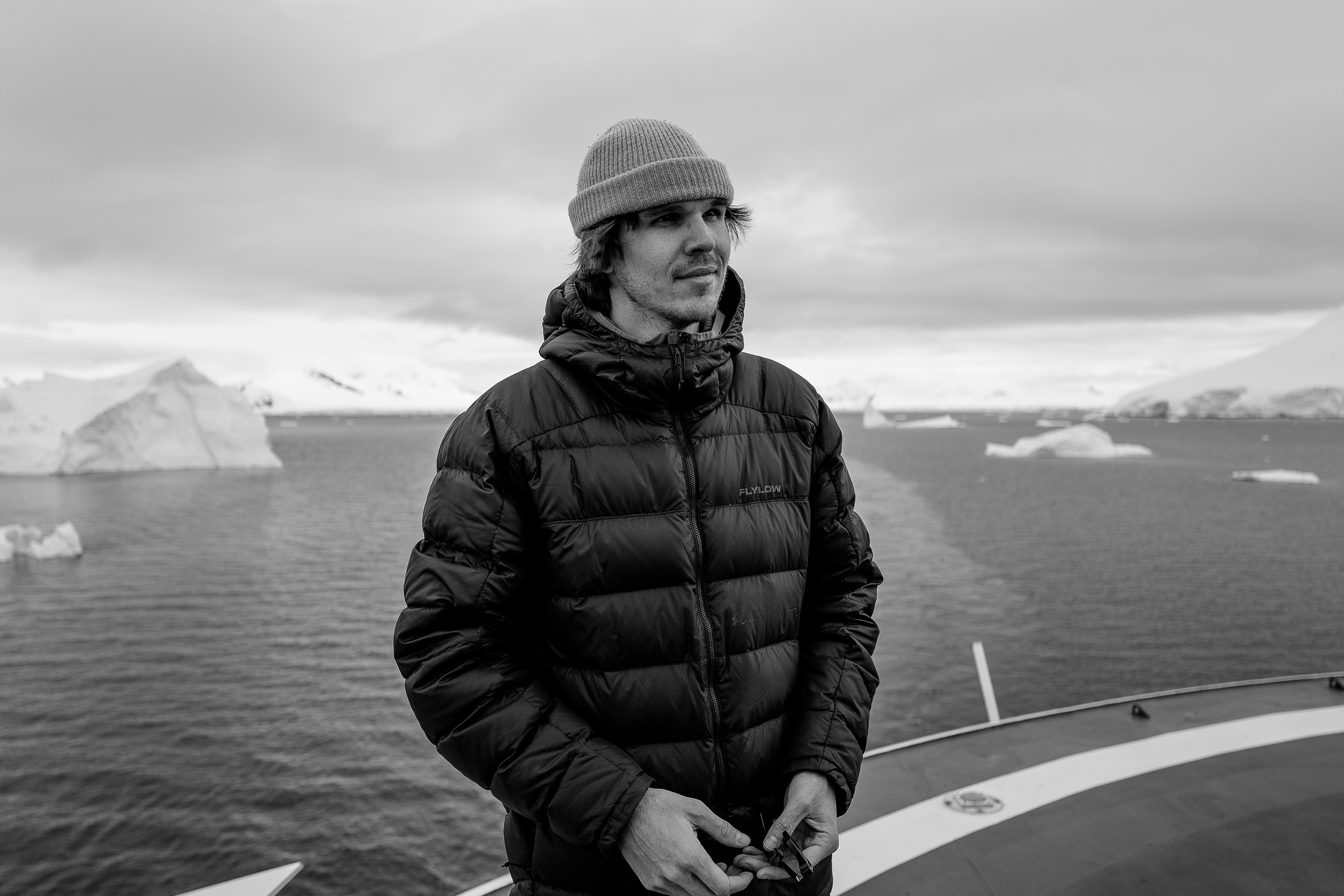
ryanbrim.com
ryanbrim.com
Ryan Brim is a cinematographer based in Jackson, Wyoming, known for capturing rugged landscapes and intimate human stories with a naturalistic, immersive visual style.
