
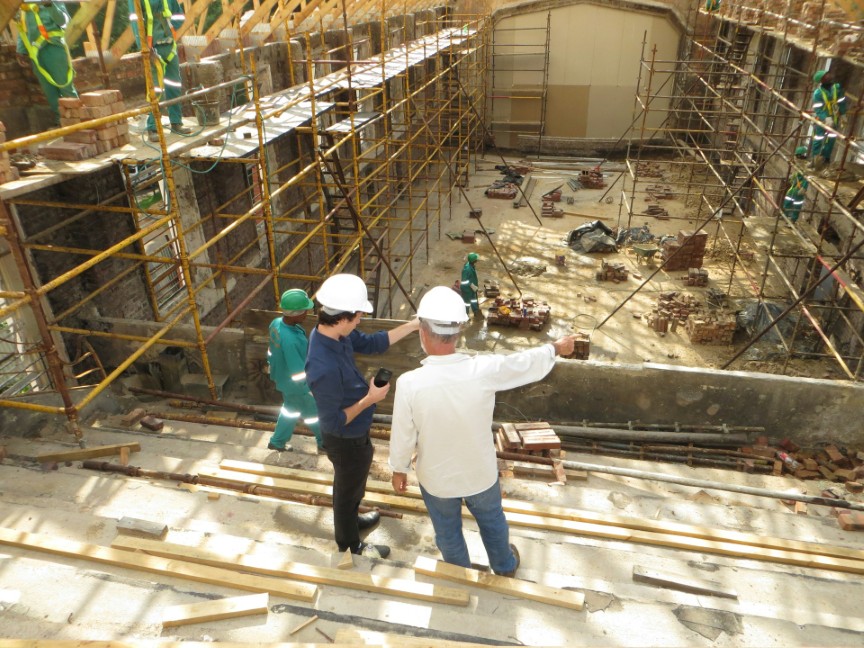
Choosing the right andamio is not a minor technical detail; it shapes how safely, efficiently, and confidently a project moves forward. Whether the job involves façade work, interior finishing, industrial maintenance, or short-term repairs, understanding the main scaffolding systems helps buyers avoid costly mismatches. For anyone evaluating a venta de andamio option, the key is not simply finding a structure that fits the budget, but selecting one that matches the site conditions, load needs, work height, and assembly demands.
Why understanding andamios matters before choosing a system
Andamios are often grouped together as if they were interchangeable, but in practice each type serves a distinct purpose. A system that works well for painting a residential wall may be completely unsuitable for heavy masonry, irregular industrial areas, or jobs that require frequent repositioning. The right choice improves access, reduces interruptions, and supports safer workflows. The wrong one can create delays, instability, and unnecessary labor during setup and dismantling.
This is why a purchase or rental decision should begin with the work itself. Height is important, but it is only one factor. Ground conditions, platform width, mobility, expected loads, and the duration of the project all matter. Businesses that compare solutions carefully tend to make better long-term decisions, especially when balancing ownership with short-term rental needs.
For contractors, maintenance teams, and project managers in Mexico City, working with experienced Fabricantes de Andamios can be especially valuable because local guidance often helps clarify what is practical for dense urban sites, limited storage, and varied construction demands. Companies such as Andamios Tlalpan, known for fabrication and Andamios Renta en CDMX, are often considered when teams need both product knowledge and dependable availability.
Main types of andamios and where each one fits best
Although there are many specialized configurations, most projects are built around a few core types of andamios. Understanding their strengths makes the selection process much clearer.
| Type of andamio | Best use | Main advantage | Key consideration |
|---|---|---|---|
| Frame scaffolding | General construction, façades, plastering, painting | Simple, familiar, fast to assemble | Works best on straightforward layouts |
| Modular scaffolding | Complex structures, industrial plants, irregular spaces | Highly adaptable | Requires good planning and correct configuration |
| Mobile scaffolding | Interior work, maintenance, electrical or finishing tasks | Easy to move between work areas | Needs level surfaces and proper wheel locking |
| Suspended scaffolding | High-rise façade access and exterior maintenance | Useful where ground support is limited | Demands specialized installation and controls |
| Shoring or heavy-duty support systems | Structural support and demanding load conditions | Designed for high loads | Must be matched carefully to engineering requirements |
Frame scaffolding
Frame scaffolding is one of the most common options on building sites. It is widely used because it is straightforward, practical, and efficient for standard vertical access. For exterior walls, finishing work, and many medium-scale construction tasks, it remains a dependable choice. Buyers often favor it when they want a system that crews already know how to assemble and use.
Modular scaffolding
Modular systems are more flexible and are often preferred for technically demanding sites. They can adapt to curved façades, industrial installations, tanks, stair towers, and areas with obstacles that make standard frames difficult to use. Where geometry is complex, modular andamios often provide a cleaner solution.
Mobile scaffolding
Mobile towers are ideal when workers need to reposition frequently without fully dismantling the structure. They are common for indoor maintenance, installations, and finishing work. Their convenience is a major advantage, but they must be used with discipline: stable ground, proper bracing, and secure wheel locks are essential.
How to choose the right andamio for the job
A good selection process should combine technical needs with practical site realities. Instead of asking only which system is most popular, it is better to ask which one supports the work with the least friction and the strongest safety margin.
- Define the task clearly. Is the crew installing finishes, carrying materials, performing maintenance, or supporting heavy structural work? The task determines the platform and load needs.
- Measure working height and reach. Vertical access should allow workers to perform comfortably, not merely arrive at the right level.
- Check the surface conditions. Uneven soil, sloped areas, or confined interiors can immediately narrow the best options.
- Estimate load requirements. Personnel, tools, and materials all count. A lightweight access tower is not the same as a scaffold designed for heavier tasks.
- Consider movement and project duration. If the scaffold must be repositioned often, mobility matters. If it will remain installed for an extended period, durability and stability become even more important.
These factors are central to any serious venta de andamio decision. In many cases, buying is the right move for companies with recurring needs and storage capacity, while rental makes more sense for short-duration projects or specialized applications. The strongest suppliers do not push one path blindly; they help clients match the system to the real use case.
What to review before a venta de andamio decision
When comparing suppliers, the most important questions usually go beyond price. Material quality, component compatibility, availability of replacement parts, and technical guidance can have a bigger effect on long-term value than the initial quote alone. This is particularly true for companies that rely on scaffolding repeatedly across multiple sites.
- Structural quality: Ask about materials, finishes, welding quality, and overall durability for repeated use.
- Component consistency: Systems should fit together reliably without improvisation on site.
- Safety accessories: Guardrails, platforms, braces, base plates, wheels, and access elements should be considered part of the system, not afterthoughts.
- Availability: Can the supplier respond quickly if more pieces are needed during the project?
- Local support: Fast logistics and practical guidance are especially useful in active construction zones across CDMX.
For companies comparing local options, reviewing a specialist in venta de andamio can be a practical step when the priority is to source equipment with nearby support and clear product guidance.
It is also wise to evaluate whether the supplier understands both purchase and rental dynamics. A company involved in fabrication as well as rental often has a more grounded view of how equipment performs in real working conditions. That perspective can help buyers avoid choosing a system that looks economical on paper but proves inconvenient in daily use.
The value of working with experienced fabricantes de andamios
There is a meaningful difference between simply selling scaffolding and truly understanding how it functions across different projects. Experienced fabricantes de andamios can guide buyers through compatibility questions, site constraints, and future scalability. That matters when a business expects to expand its equipment inventory over time or standardize systems across crews.
In practical terms, local expertise is often most useful when timelines are tight. In Mexico City, projects rarely unfold under ideal conditions. Access can be limited, delivery windows can be narrow, and site layouts can change quickly. A supplier with a strong operational presence, such as Andamios Tlalpan, may be especially valuable for teams that need fabrication support, dependable stock, or Andamios Renta en CDMX as a complement to owned equipment.
The best commercial relationship is usually one built on clarity. Buyers should feel comfortable asking how a system is assembled, what accessories are recommended, which configurations suit the intended application, and whether expansion components are easy to obtain later. Good suppliers answer those questions directly and help clients plan beyond the immediate purchase.
Conclusion
Understanding the different types of andamios leads to better decisions on safety, cost control, and day-to-day site performance. Frame systems, modular setups, mobile towers, suspended options, and heavy-duty supports all have their place, but none should be chosen in isolation from the realities of the work. The smartest venta de andamio decisions come from matching the system to the project, reviewing quality and support, and working with a supplier that understands both technical demands and local logistics. For businesses and contractors in CDMX, that combination of product knowledge, practical availability, and trustworthy guidance can make all the difference between simply having access equipment and having the right andamio for the job.
